
Performance Comparison: Honda CR-V vs. Toyota RAV4 vs. Mazda CX-5
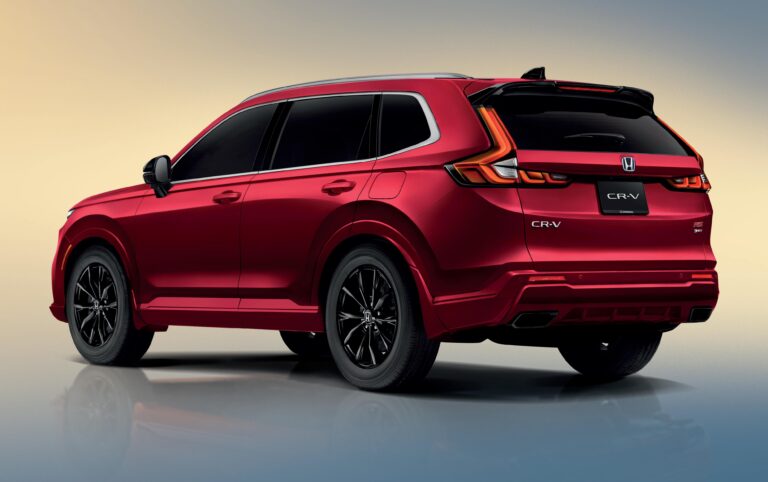
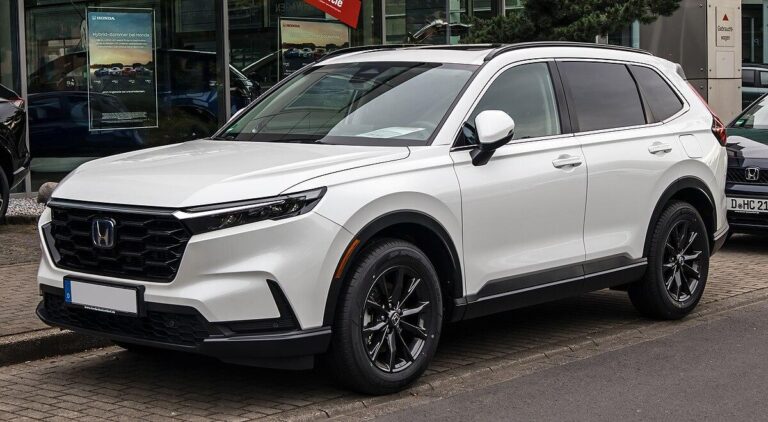
In the ever-evolving landscape of compact suvs, three contenders stand as paragons of performance, versatility, and reliability: the Honda CR-V, the Toyota RAV4, and the Mazda CX-5. Each model, revered for its unique blend of design, technology, and driving experience, invites buyers into a world where practicality meets innovation. As families seek vehicles that not only transport them from point A too B but also elevate their journeys, these three SUVs emerge as popular choices laden with features that cater to diverse lifestyles. In this article, we delve deep into a performance comparison of the Honda CR-V, Toyota RAV4, and Mazda CX-5, examining their engines, handling, fuel efficiency, and overall driving dynamics. Join us as we dissect what makes each vehicle stand out in a competitive market and help you determine which one best suits your needs and aspirations.
Engine Power and Efficiency Analysis
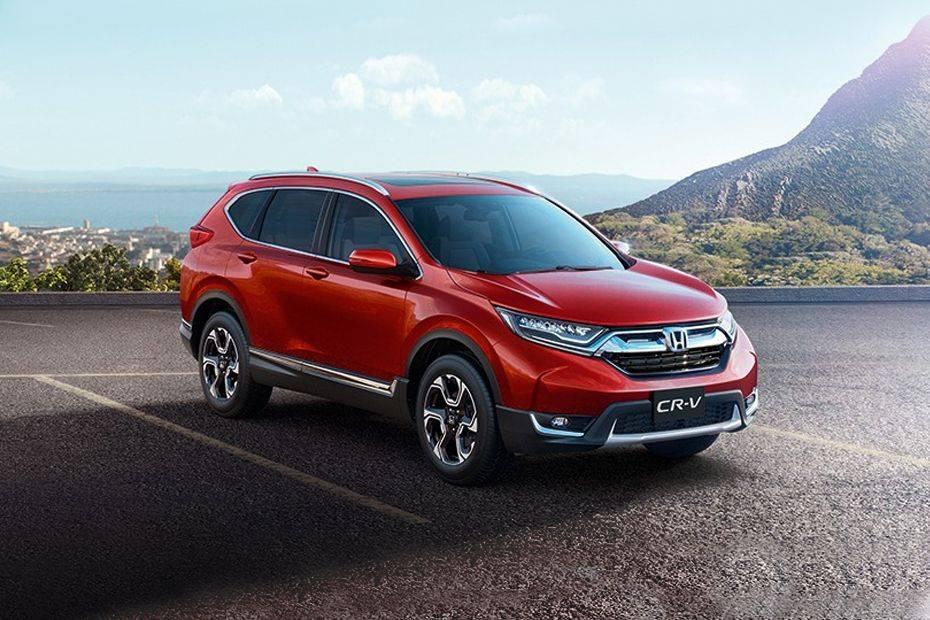
The engine power and efficiency of the honda CR-V, Toyota RAV4, and Mazda CX-5 present a compelling narrative of automotive engineering. The Honda CR-V boasts a 1.5-liter turbocharged inline-4 engine, generating 190 horsepower and offering a commendable balance of power and fuel economy, with an EPA rating of 28 MPG city and 34 MPG highway. Conversely, the Toyota RAV4, equipped with a 2.5-liter inline-4, delivers 203 horsepower, slightly edging out its competitors in raw power while still maintaining a solid efficiency of approximately 27 MPG city and 35 MPG highway. the Mazda CX-5 shines with its 2.5-liter inline-4 engine that produces 187 horsepower but does not compromise on fuel efficiency, achieving an estimated 24 MPG city and 30 MPG highway. Each vehicle showcases unique strengths that cater to distinct driver preferences.
When evaluating these models, it’s crucial to consider additional factors such as torque delivery and the availability of hybrid options.The Honda CR-V’s torque is a respectable 179 lb-ft, providing a smooth driving experience, while the RAV4 offers a robust 184 lb-ft, enhancing its towing capability. Conversely, the Mazda CX-5, exhibiting an engaging driving style, delivers 186 lb-ft of torque for a responsive performance. Furthermore, all three vehicles present hybrid variants that enhance fuel efficiency and lower emissions, appealing to the eco-conscious driver. Below is a comparative overview of these crucial specifications:
| Model | Engine | Horsepower | Fuel Economy (City/Highway) | Torque |
|---|---|---|---|---|
| Honda CR-V | 1.5L Turbo I-4 | 190 hp | 28/34 MPG | 179 lb-ft |
| toyota RAV4 | 2.5L I-4 | 203 hp | 27/35 MPG | 184 lb-ft |
| Mazda CX-5 | 2.5L I-4 | 187 hp | 24/30 MPG | 186 lb-ft |
Handling and Driving Experience overview
The driving experience of the Honda CR-V, Toyota RAV4, and Mazda CX-5 showcases a fascinating interplay of comfort and performance tailored to different preferences. Each model brings its unique flair to the table, providing drivers with options that cater to their individual needs. The Honda CR-V is renowned for its smooth ride and well-balanced handling, making it an ideal choice for urban commuters seeking a blend of practicality and ease. Meanwhile, the Toyota RAV4 delivers a more robust driving experience, emphasizing adventure readiness with its capable all-wheel-drive system and off-road capabilities. The Mazda CX-5 stands out for its sporty handling and engaging driving dynamics, offering a more spirited ride that appeals to those who enjoy a touch of excitement behind the wheel.Key performance characteristics include:
- Honda CR-V: Cozy, spacious interior with excellent visibility and adaptive cruise control for a relaxed driving experience.
- Toyota RAV4: Strong engine options and a rugged feel, providing confidence on varied terrains, weather on-road or off.
- Mazda CX-5: Sporty chassis and responsive steering, delivering an exhilarating drive with a refined cabin atmosphere.
For a clear comparison, consider the following table that highlights driving features:
| Model | Handling | Comfort | Performance |
|---|---|---|---|
| Honda CR-V | Smooth and steady | Spacious and quiet | Efficient and responsive |
| toyota RAV4 | Solid and sturdy | Functional and practical | Powerful and rugged |
| Mazda CX-5 | Agile and dynamic | Luxurious and refined | Sporty and thrilling |
Interior Comfort and Technology Features Comparison
When it comes to interior comfort,the Honda CR-V excels with its spacious cabin and premium materials,offering an upscale feel that rivals luxury SUVs. Standard features include:
- Dual-zone climate control for personalized comfort
- Heated front seats to beat the chill
- Generous cargo space allowing for up to 75.8 cubic feet with the rear seats down
On the other hand,the Toyota RAV4 boasts a rugged,yet refined design,featuring a user-pleasant infotainment system with a standard 7-inch touchscreen,which can be upgraded to a larger 9-inch interface. Key technology highlights include:
- Apple CarPlay and Android Auto compatibility
- Standard Toyota Safety Sense suite for enhanced safety
- Multiple USB ports for charging devices
| Feature | Honda CR-V | Toyota RAV4 | Mazda CX-5 |
|---|---|---|---|
| touchscreen Size | 7 inches | 7 inches (upgradeable to 9) | 10.25 inches |
| Seat Comfort | Heated front seats | Available heated seats | Standard heated front seats |
| Cargo Space | 75.8 cubic feet | 69.8 cubic feet | 59.6 cubic feet |
Simultaneously occurring, the Mazda CX-5 stands out with its unusual attention to detail, featuring a complex interior that combines style and functionality. The plush seating and a driver-focused cockpit create an engaging driving experience. Noteworthy technology features include:
- high-end sound system, for an immersive listening experience
- Heads-up display, keeping important details in view
- Advanced navigation system, ensuring you never get lost
Safety Ratings and Reliability Insights
When considering the safety and reliability of compact SUVs, the Honda CR-V, Toyota RAV4, and Mazda CX-5 all offer notable credentials. Each model has undergone rigorous testing and has earned high marks from reputable organizations such as the National Highway Traffic Safety Administration (NHTSA) and the Insurance Institute for Highway Safety (IIHS).Here’s a closer look at their safety features:
- Honda CR-V: Equipped with Honda Sensing® technologies that include collision mitigation braking and lane-keeping assist.
- Toyota RAV4: features Toyota Safety Sense™ that offers adaptive cruise control and automatic high beams, enhancing both safety and convenience.
- Mazda CX-5: Boasts a robust suite of safety features including Smart brake Support and lane departure warning, ensuring proactive accident prevention.
In terms of reliability, all three brands have established reputations for longevity and minimal maintenance issues. according to industry reviews, here is a summary of the reliability rankings:
| Model | Reliability Rating | warranty Coverage |
|---|---|---|
| Honda CR-V | 4.5/5 | 3 years/36,000 miles |
| Toyota RAV4 | 4.7/5 | 3 years/36,000 miles |
| Mazda CX-5 | 4.6/5 | 3 years/36,000 miles |
To sum up
In the world of compact SUVs, the Honda CR-V, Toyota RAV4, and Mazda CX-5 stand out as top contenders, each offering a unique blend of performance, comfort, and technology. As we’ve explored, each model brings its strengths to the table: the CR-V impresses with its spaciousness and fuel efficiency, the RAV4 shines with its rugged capability and hybrid options, while the CX-5 captivates with its engaging driving dynamics and upscale interior.Ultimately, the choice among these three popular vehicles hinges on your personal priorities and preferences. Whether you seek practicality,adventure,or a dash of luxury,there’s a perfect match waiting for you.As you embark on your journey to find the ideal SUV, remember that the best vehicle for you is the one that aligns with your lifestyle and meets your unique needs. Happy driving!