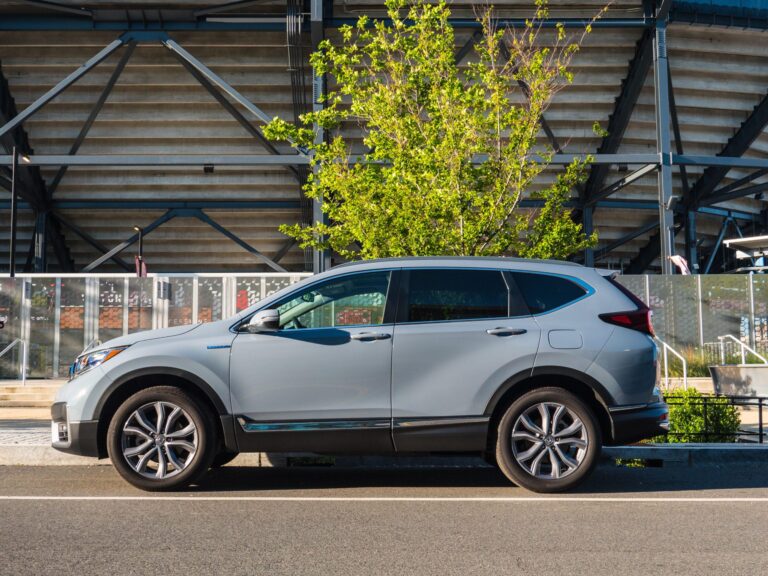
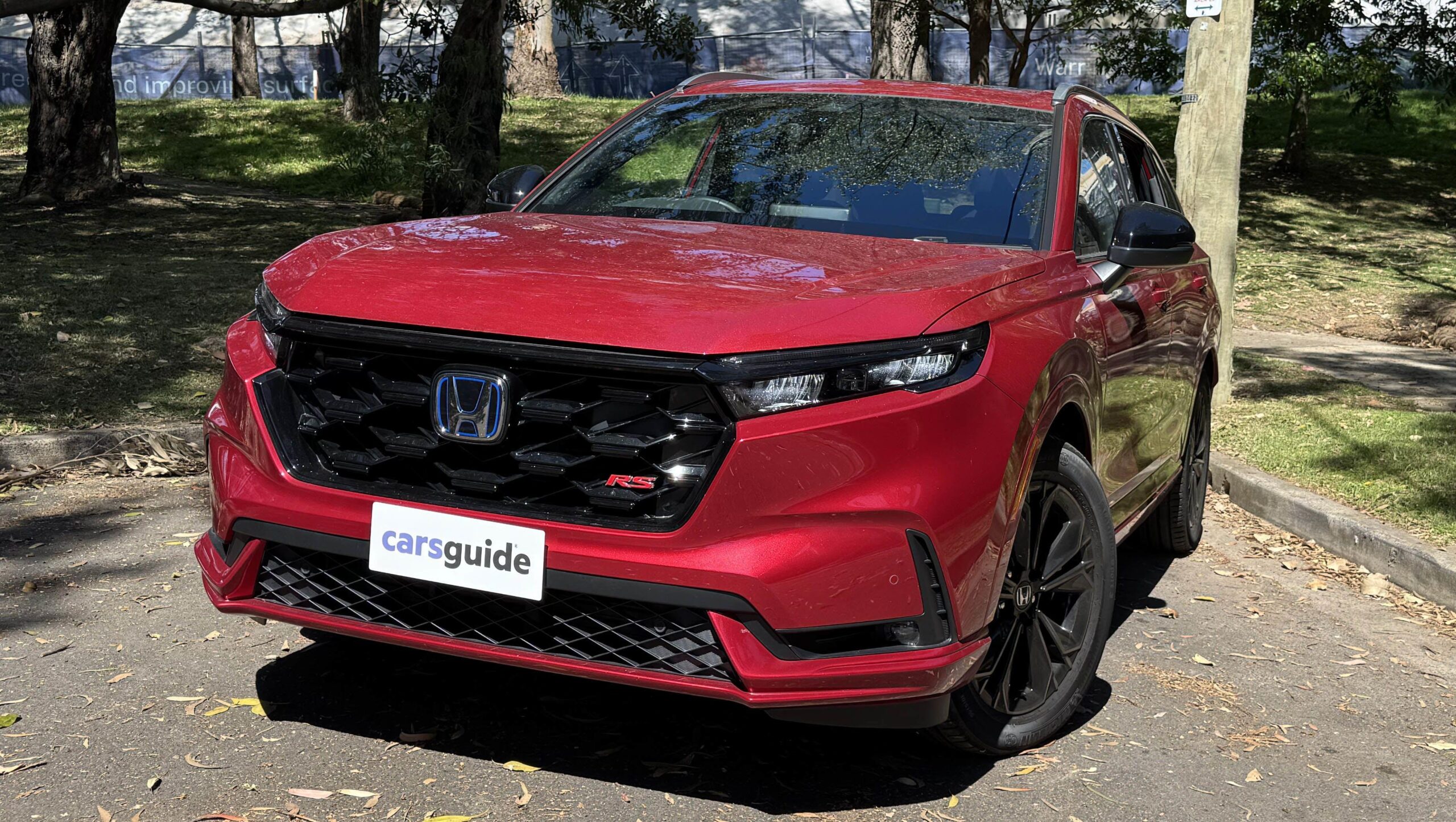
Honda CR-V vs Subaru Forester
In the highly competitive world of compact SUVs, the rivalry between the Honda CR-V and the Subaru Forester stands out as particularly significant. Both vehicles have garnered a strong following, known for their reliability and comprehensive feature sets that cater to a wide range of drivers. As individuals from diverse backgrounds—be it adventure seekers, urban commuters, or families—consider these versatile options, the pressing question remains: Which vehicle truly excels? This article will explore the unique attributes of both the Honda CR-V and the Subaru Forester, focusing on their performance, safety, technology, and driving experience. Join us as we dissect these two popular contenders and assist you in determining which one is the best fit for your journeys.
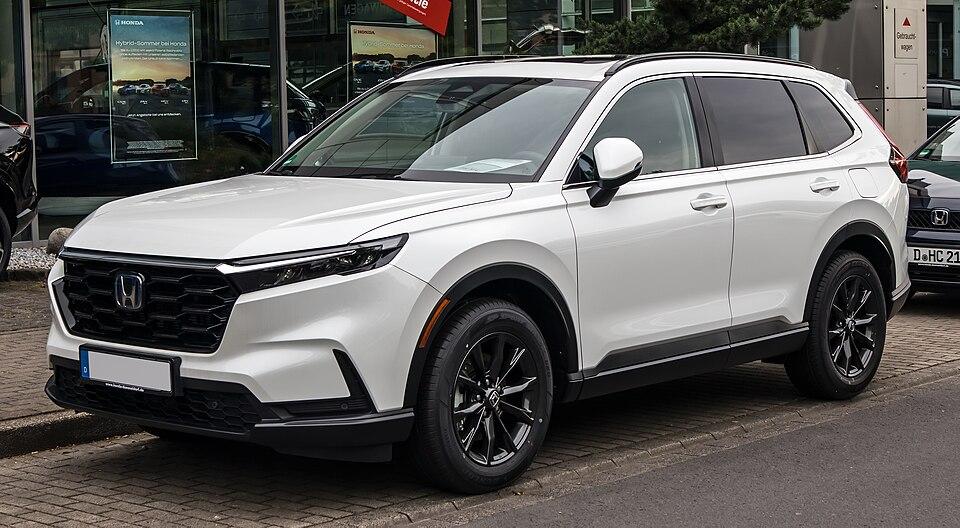
Comparative Performance Analysis of Honda CR-V and Subaru Forester
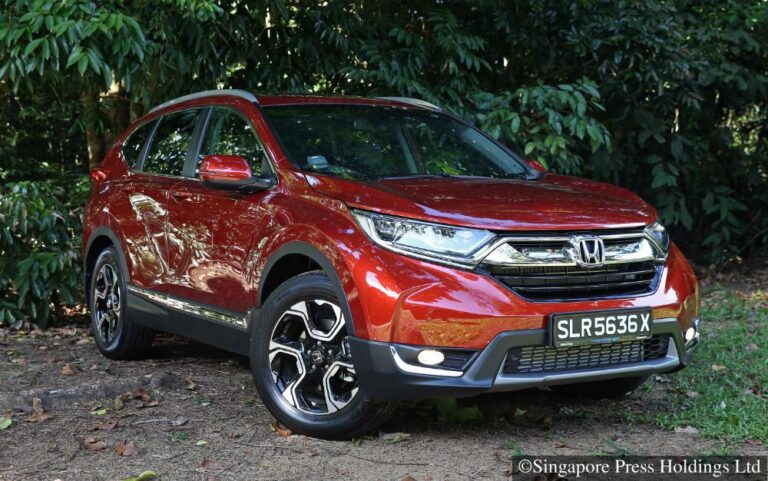
When evaluating the Honda CR-V vs Subaru Forester, several key aspects define their performance and overall user experience. Both vehicles are celebrated for their dependability and comfort, making them favorites in the compact SUV segment. The CR-V, with its slightly more robust engine lineup, delivers superior acceleration and efficiency. It features a spacious interior and cutting-edge technology, appealing to families and tech enthusiasts alike. Here are some of its standout features:
- Engine Options: 1.5L Turbocharged I4 vs. 2.5L Boxer Engine
- Fuel Efficiency: Up to 28 city / 34 highway MPG (CR-V) vs. 26 city / 33 highway MPG (Forester)
- Interior Space: More cargo volume in the CR-V
In contrast, the Subaru Forester excels in its all-wheel-drive capabilities and ruggedness, making it a top choice for outdoor adventurers and driving enthusiasts. Its symmetrical all-wheel-drive system offers enhanced stability and traction on diverse terrains, ideal for outdoor activities. Although it may not match the CR-V’s tech features, it compensates with comprehensive safety and all-weather readiness. Key attributes include:
- Off-Road Performance: Standard all-wheel drive
- Safety Ratings: Top-tier ratings in crash tests
- Visibility: Higher driving position and larger windows
| Aspect | Honda CR-V | Subaru Forester |
|---|---|---|
| Horsepower | 190 hp | 182 hp |
| Torque | 179 lb-ft | 176 lb-ft |
| Seating Capacity | 5 | 5 |
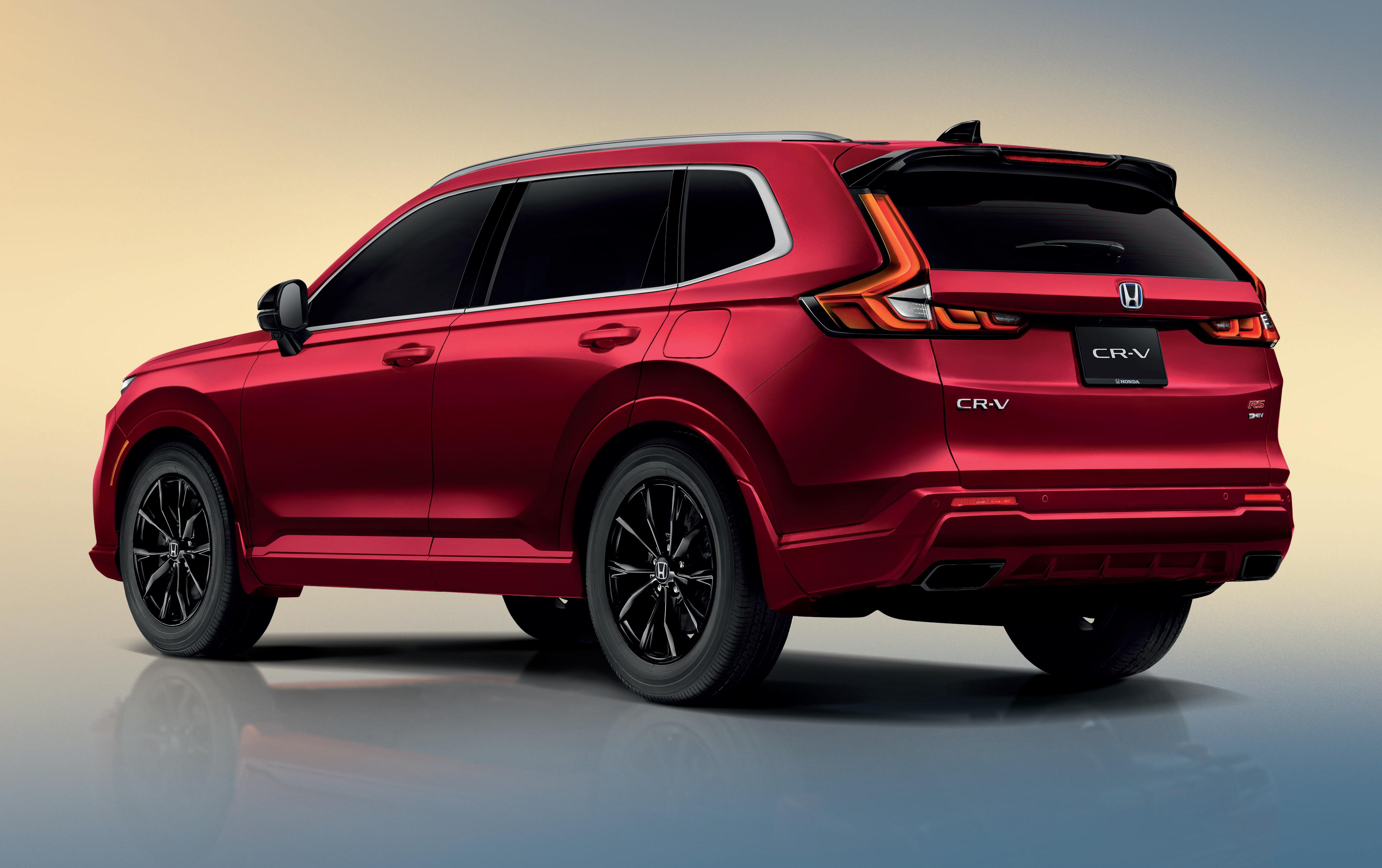
Interior Comfort and Technology Features: A Side-by-Side Examination
The Honda CR-V stands out with its spacious cabin and user-friendly technology, offering a blend of comfort and convenience for all passengers. Its interior is designed for maximum practicality, providing ample headroom and legroom. Key features include:
- Dual-Zone Automatic Climate Control: For personalized comfort
- Available Heated and Ventilated Front Seats: Enhancing driver and passenger experience
- Comprehensive Infotainment System: With a user-friendly touchscreen interface
On the other hand, the Subaru Forester exudes rugged charm while prioritizing safety and technology. Its interior focuses on functionality and visibility, making it perfect for adventure seekers. Noteworthy aspects include:
- Standard EyeSight Driver Assist Technology: Enhancing driving safety
- Spacious Rear Cargo Area: Accommodating various outdoor gear
- Apple CarPlay and Android Auto: Compatibility for seamless smartphone integration
Safety Ratings and Reliability: What the Data Tells Us
The Honda CR-V and Subaru Forester are both formidable contenders in the compact SUV market, yet their safety ratings and reliability metrics offer distinct narratives. The CR-V consistently earns top marks from organizations like the National Highway Traffic Safety Administration (NHTSA) and the Insurance Institute for Highway Safety (IIHS). Its commendable results are credited to features such as collision mitigation braking and lane-keeping assist, which enhance occupant safety. With a suite of integrated technologies and a robust structural design, this SUV aims to provide peace of mind on the road.
Conversely, the Subaru Forester boasts a renowned reputation for reliability coupled with outstanding safety ratings, especially in crash tests. The standard all-wheel-drive system enhances traction and stability, making it a preferred choice among drivers in adverse weather conditions. Additionally, the Forester is equipped with Subaru’s EyeSight Driver Assist Technology, which significantly contributes to its safety accolades. Below is a comparative look at their recent safety ratings:
| Model | NHTSA Rating | IIHS Rating |
|---|---|---|
| Honda CR-V | 5-Star Overall | Top Safety Pick+ |
| Subaru Forester | 5-Star Overall | Top Safety Pick |

Cost of Ownership and Resale Value: Making the Right Financial Choice
When assessing the financial implications of the Honda CR-V and Subaru Forester, it’s crucial to consider the total cost of ownership. This encompasses not only the initial purchase price but also ongoing expenses like fuel, maintenance, insurance, and depreciation. Both vehicles are esteemed for their reliability, yet subtle differences can influence long-term financial commitments:
- Fuel Efficiency: The Honda CR-V typically offers a more efficient engine, leading to lower fuel costs over time.
- Maintenance: Subaru vehicles may require more frequent maintenance, potentially increasing costs in the long term.
- Insurance Rates: Depending on driving history and location, insurance costs may vary significantly between the two.
In terms of resale value, both the CR-V and Forester exhibit impressive retention rates, though consumer preferences can influence outcomes. Historical data indicates that:
| Model | 5-Year Resale Value (%) |
|---|---|
| Honda CR-V | 54% |
| Subaru Forester | 56% |
This table underscores the solid resale prospects of both models, with the Forester having a slight advantage. Ultimately, understanding these financial factors will help potential buyers make informed decisions aligned with their financial goals.
Current Trends and Future Prospects in the SUV Market
The automotive industry is continuously evolving, with several emerging trends impacting the compact SUV segment. Notably, the increasing popularity of hybrid models is shaping consumer preferences. The Subaru Forester’s recent introduction of a hybrid variant positions it as a direct competitor to the Honda CR-V, which has been praised for offering value in performance and features.
Furthermore, there is a growing emphasis on value for money in vehicle purchases. Consumers are becoming more discerning, seeking vehicles that offer a balance of price, performance, and features. Both the Honda CR-V and Subaru Forester are well-positioned to meet these demands, with each offering unique benefits to potential buyers.
The continued competition between established models like the Honda CR-V and Subaru Forester signifies their enduring appeal and relevance in the market. As these vehicles adapt to changing consumer needs and technological advancements, they are expected to maintain their strong presence in the years to come.
To Wrap It Up
Choosing between the Honda CR-V and the Subaru Forester ultimately depends on your lifestyle and preferences. Both vehicles excel as leaders in the compact SUV category, showcasing their strengths through reliability, safety, and versatility. Whether you are drawn to the CR-V’s spacious interior and tech-savvy features or the Forester’s rugged charm and all-terrain capabilities, you are sure to find a reliable companion for your daily adventures. The decision may be challenging, but rest assured, whichever SUV you choose, you will be embarking on a confident and enjoyable driving experience. Take your time, weigh your options, and prepare for the journey ahead—your perfect match is waiting just around the corner. Happy driving!