Honda CR-V horsepower and torque
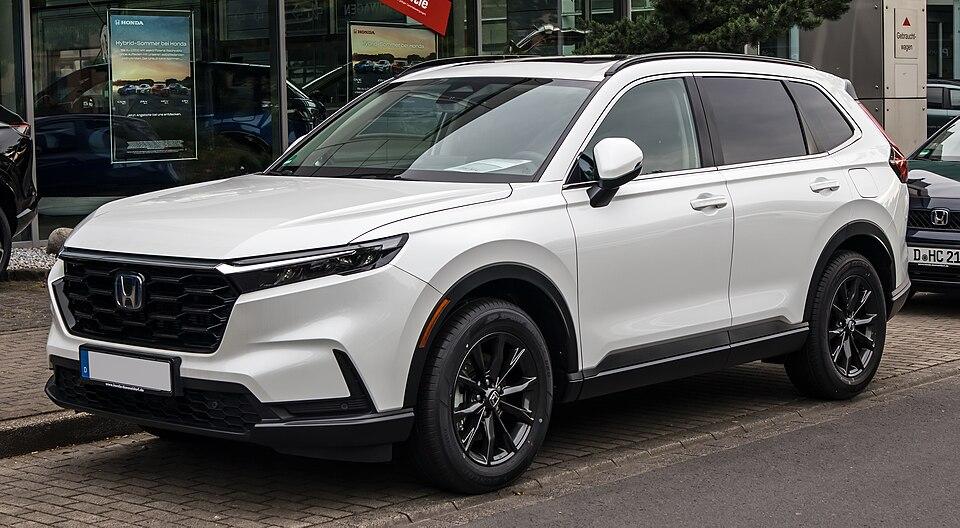
When evaluating compact SUVs, the Honda CR-V stands out as a formidable contender, renowned for its steadfast reliability, generous interior space, and cutting-edge technology. However, beneath its family-friendly facade lies an impressive powertrain that demands recognition. This article delves into the core of the CR-V, dissecting the horsepower and torque figures that not only define its performance but also enhance the driving experience. Whether navigating urban landscapes or embarking on weekend getaways, understanding the dynamics of horsepower and torque can deepen your appreciation for this well-regarded SUV. Join us as we explore the engineering feats that breathe life into the Honda CR-V.
Understanding Honda CR-V Horsepower and Torque Metrics
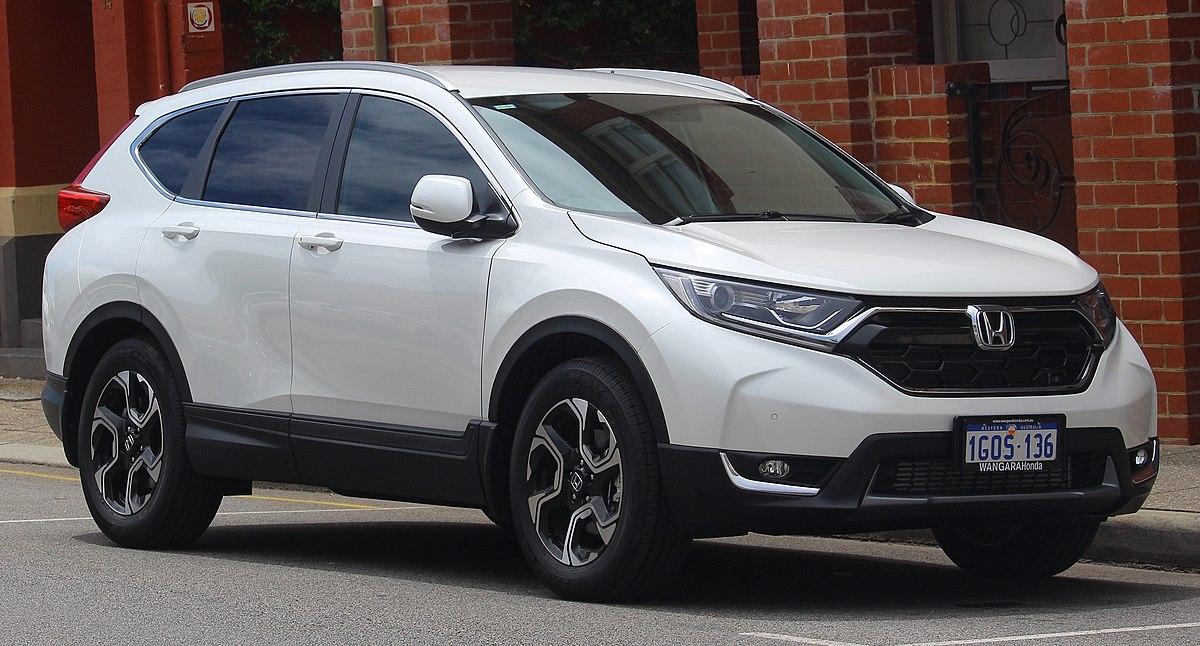
The Honda CR-V distinguishes itself in the competitive SUV market, not only for its dependability and comfort but also for its outstanding performance metrics, particularly in horsepower and torque. Grasping these figures is essential for prospective buyers and enthusiasts, offering insights into the vehicle’s capabilities on the road. Horsepower, defined as the measure of how swiftly the engine can perform work, is crucial for acceleration and top speeds. The CR-V typically provides around 190 horsepower from its efficient turbocharged engine, ensuring a responsive driving experience for both city commuting and highway cruising.
Torque, on the other hand, measures the rotational power generated by the engine and is vital for tasks such as towing and off-road performance. The Honda CR-V delivers an impressive 179 lb-ft of torque, which enhances its ability to haul cargo and contributes to smooth and powerful acceleration from a standstill. Below is a straightforward comparison of these essential metrics for various Honda CR-V models:
| Model Year | Horsepower | Torque |
|---|---|---|
| 2020 | 190 hp | 179 lb-ft |
| 2021 | 190 hp | 179 lb-ft |
| 2022 | 190 hp | 179 lb-ft |
| 2023 | 190 hp | 179 lb-ft |
The Impact of Engine Variants on Performance Ratings
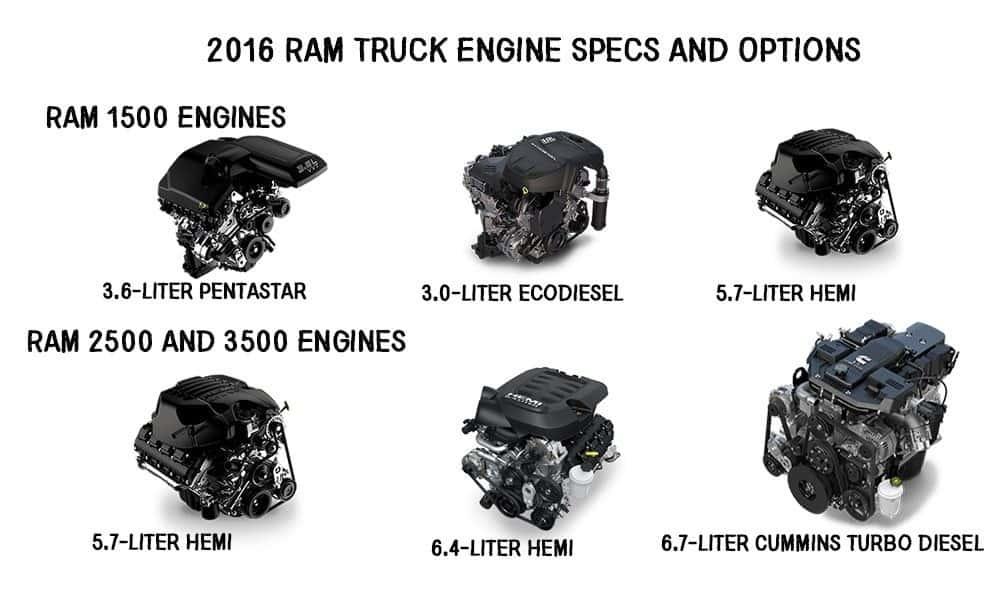
The Honda CR-V shines in the compact SUV market, not only for its practicality but also for the diverse engine options that significantly influence its performance ratings. The decision between engine variants—from traditional gasoline engines to the more recent turbocharged options—requires careful consideration. Each engine offers a distinct balance of horsepower and torque that caters to different driving preferences and conditions. For instance, the turbocharged engine variant typically delivers quicker acceleration, making urban driving more responsive and enjoyable, whereas the base engine provides a more stable and fuel-efficient ride, ideal for extended highway journeys.
With engine configurations varying not only in output but also in driving dynamics, it is crucial for potential buyers to comprehend how these differences affect overall vehicle performance. The following table summarizes the key specifications of the primary engine variants available for the Honda CR-V:
| Engine Variant | Horsepower (hp) | Torque (lb-ft) | Fuel Efficiency (MPG) |
|---|---|---|---|
| 2.4L I4 | 190 | 179 | 26/32 |
| 1.5L Turbo I4 | 190 | 179 | 28/34 |
| 2.0L Hybrid I4 | 204 | 247 | 40/35 |
Understanding these figures is crucial for making an informed decision. While horsepower provides a glimpse into the potential speed of a vehicle, torque is a critical factor in how effectively that power translates into real-world driving performance. Engine variants can dramatically shift the driving experience, making it paramount for buyers to assess their personal needs, whether it be fuel efficiency for daily commuting or power for family trips.

Driving Experience: How Power and Torque Translate to Everyday Use
The driving experience in the Honda CR-V is a harmonious blend of power and torque, both crucial elements that contribute to its overall performance. With a robust engine setup, the CR-V generates a commendable amount of horsepower, providing the ability to accelerate smoothly and confidently on highways. This means merging into traffic is stress-free, as the vehicle offers that extra burst of speed when needed. Moreover, the impressive levels of torque ensure that the CR-V can handle varied driving conditions, whether navigating steep inclines or pulling away from a stop with ease. This combination enhances day-to-day usability, making every journey more enjoyable.
In practical terms, the benefits of horsepower and torque become evident in several real-world scenarios:
- Responsiveness: The CR-V reacts swiftly when you press the accelerator, providing a sense of control.
- Towing Capability: Higher torque values allow for effective towing of small trailers, enhancing its utility.
- Fuel Efficiency: A well-balanced engine ensures that performance doesn’t come at the cost of fuel consumption.
To give you a clearer picture, refer to the table below, summarizing the engine performance specifications:
| Specification | Value |
|---|---|
| Horsepower | 190 hp |
| Torque | 179 lb-ft |
| Engine Type | Inline 4-cylinder |
Choosing the Right Honda CR-V for Your Lifestyle Needs
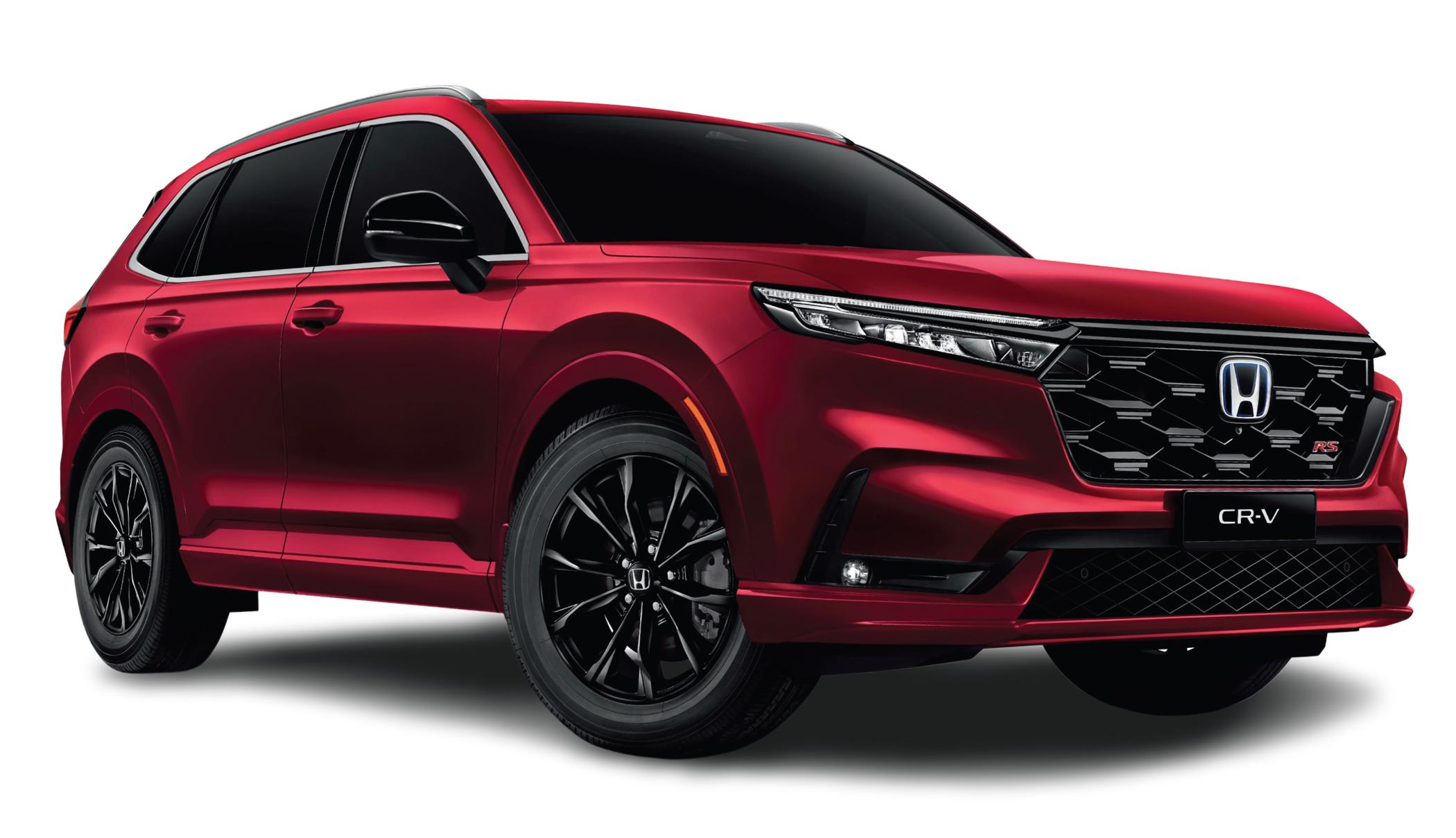
When it comes to selecting the ideal Honda CR-V that aligns with your lifestyle, understanding its horsepower and torque is essential. Depending on your driving needs, you might prioritize performance for daily commutes, weekend adventures, or simply a vehicle that delivers a smooth ride. Here’s a quick reference to make your decision easier:
| Trim level | Horsepower | Torque |
|---|---|---|
| LX | 190 hp | 179 lb-ft |
| EX | 190 hp | 179 lb-ft |
| EX-L | 190 hp | 179 lb-ft |
| Touring | 190 hp | 179 lb-ft |
Consider how you’ll use your CR-V; whether you’re a city dweller navigating busy streets or an outdoor enthusiast requiring extra torque for towing, you’ll find a model that fits. Additionally, the CR-V’s excellent fuel efficiency allows you to enjoy its powerful performance without the worry of frequent stops at the gas pump. Take a test drive to feel the difference in power and torque—discovering how it handles in real-world conditions can make all the difference in ensuring you choose the right variant for your unique situation.
Evolution and Trends in Honda CR-V Performance
In recent years, the Honda CR-V has seen a notable evolution in its performance characteristics, reflecting broader trends in automotive engineering. The increasing focus on hybrid models with higher combined outputs is a testament to Honda’s commitment to sustainability without compromising on performance. The 2024 CR-V hybrid, for instance, combines a 2.0-liter 4-cylinder engine with an electric motor, delivering a combined output of 204 horsepower and 247 lb-ft of torque. This shift towards hybrid technology highlights the push for improved fuel efficiency and reduced emissions.
Furthermore, the consistent use of turbocharged engines in recent models underscores a trend towards maximizing power output while maintaining or improving fuel efficiency. The availability of both front-wheel drive (FWD) and all-wheel drive (AWD) options provides consumers with the flexibility to choose a vehicle that suits their driving conditions, whether it’s navigating city streets or exploring rugged terrains.
Ongoing improvements in engine performance and efficiency are complemented by the adoption of advanced safety and design features in newer models. These enhancements ensure that the Honda CR-V remains a competitive choice in the compact SUV segment, appealing to a diverse range of drivers seeking a balance between power, safety, and innovation.
Conclusion
In conclusion, our exploration of the horsepower and torque of the Honda CR-V reveals that this compact SUV is more than just a practical choice for everyday driving. With a balanced performance that harmonizes power and efficiency, the CR-V caters to a diverse range of drivers, from city commuters to weekend adventurers.
The engineering behind its powertrain not only ensures a responsive driving experience but also complements the vehicle’s renowned reliability and safety features. Whether navigating through urban landscapes or hitting the open road, the CR-V’s performance capabilities stand out, reassuring drivers that they can count on it for both spirited drives and serene journeys.
In the ever-evolving landscape of automotive technology, the Honda CR-V continues to adapt and innovate, reinforcing its status as a remarkable choice in the compact SUV segment. As you consider your next vehicle, keep in mind the allure of a robust engine paired with Honda’s commitment to quality—because when it comes to horsepower and torque, the CR-V proves that it truly delivers on all fronts.