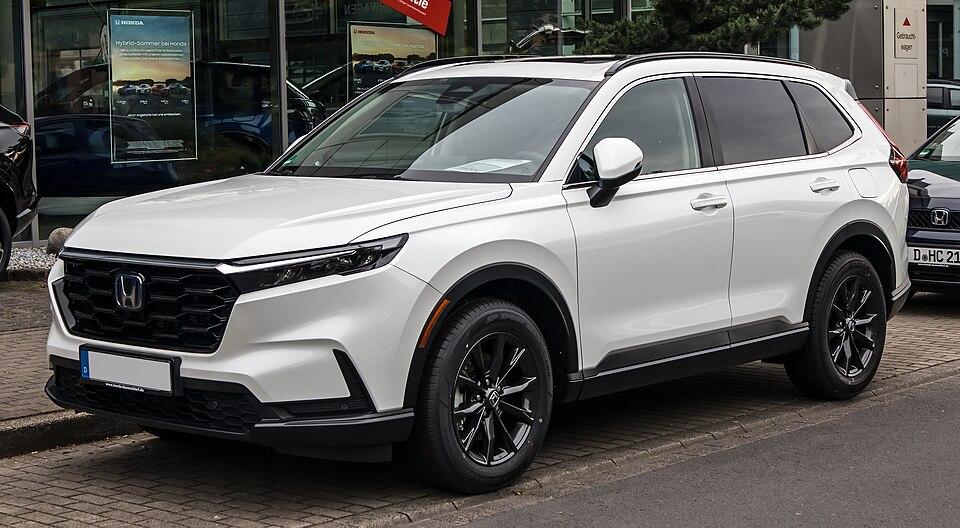
Honda CR-V fuel economy
As the global shift towards sustainability and environmental awareness gains momentum, the demand for fuel-efficient vehicles is at an all-time high. Among the diverse array of options available to consumers, the Honda CR-V emerges as a stalwart in the realm of compact SUVs, offering not only versatility and reliability but also exceptional fuel economy. This article delves into the intricacies of the Honda CR-V’s fuel efficiency, exploring its engineering innovations, performance capabilities, and real-world driving experiences. Whether you’re a seasoned SUV enthusiast or a first-time buyer searching for the perfect blend of power and economy, join us as we explore the fuel efficiency landscape of this beloved vehicle, providing insights that could significantly influence your next automotive decision.
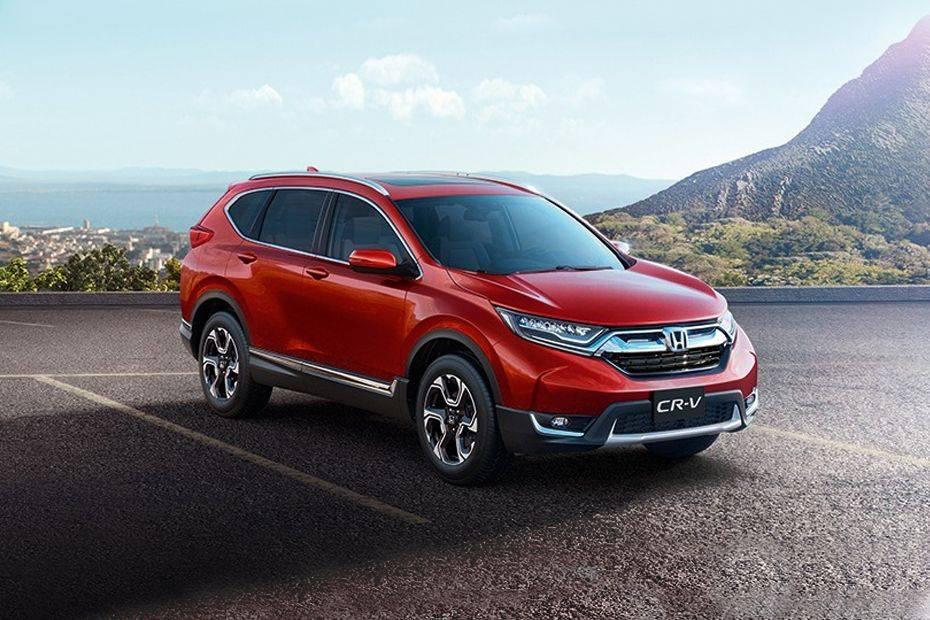
Evaluating the Honda CR-V’s Fuel Efficiency Performance
The Honda CR-V has long been celebrated for its impressive fuel efficiency, a critical attribute that many car buyers prioritize. With its ergonomic design and efficient engineering, the CR-V stands out in the compact SUV segment. Owners can expect a range of fuel economy averages depending on the model year and drivetrain options. Generally, the hybrid variant leads the pack with EPA ratings often surpassing 40 mpg in the city and 38 mpg on the highway, showcasing Honda’s commitment to sustainability without sacrificing performance. In comparison, the traditional gas-powered models deliver a competitive 27 to 30 mpg in the city and 32 to 34 mpg on the highway, making it an excellent choice for both urban and long-distance driving.
Another factor contributing to the CR-V’s fuel efficiency is its engine technology. Most recent models are equipped with a 1.5-liter turbocharged engine, which not only enhances power but also efficiency through optimal fuel use. Additionally, features such as the continuously variable transmission (CVT) allow for seamless gear shifts, helping maintain an efficient fuel consumption rate. Here’s a quick comparison of the fuel efficiency across different CR-V models:
| Model Year | Type | City MPG | Highway MPG |
|---|---|---|---|
| 2020 | Gas | 28 | 34 |
| 2021 | Gas | 27 | 33 |
| 2022 | Hybrid | 40 | 35 |

Understanding the Factors Influencing Fuel Economy in the Honda CR-V
Understanding what influences fuel economy in the Honda CR-V requires a look at several interrelated elements. First and foremost is the engine type. The CR-V is typically equipped with efficient turbocharged engines that balance performance and fuel efficiency. Additionally, factors such as driving habits play a significant role. For instance, rapid acceleration and heavy braking can degrade fuel economy, while smooth, gradual changes in speed can enhance it. Moreover, the weight of the vehicle is impactful; a fully loaded Honda CR-V will use more fuel compared to a lightly loaded model. It’s crucial for owners to be mindful of how accessories and cargo can affect overall efficiency.
Another critical aspect is tire pressure. Maintaining optimal pressure not only ensures safety but also maximizes fuel economy. The use of premium fuel may be recommended by the manufacturer, but for many drivers, regular unleaded still provides adequate efficiency without noticeable differences in performance. Weather conditions should not be overlooked either; cold temperatures can lead to increased fuel consumption, as the engine takes longer to reach optimal operating temperatures. By considering these various factors, CR-V owners can improve their vehicle’s fuel economy and enjoy a more economical driving experience.
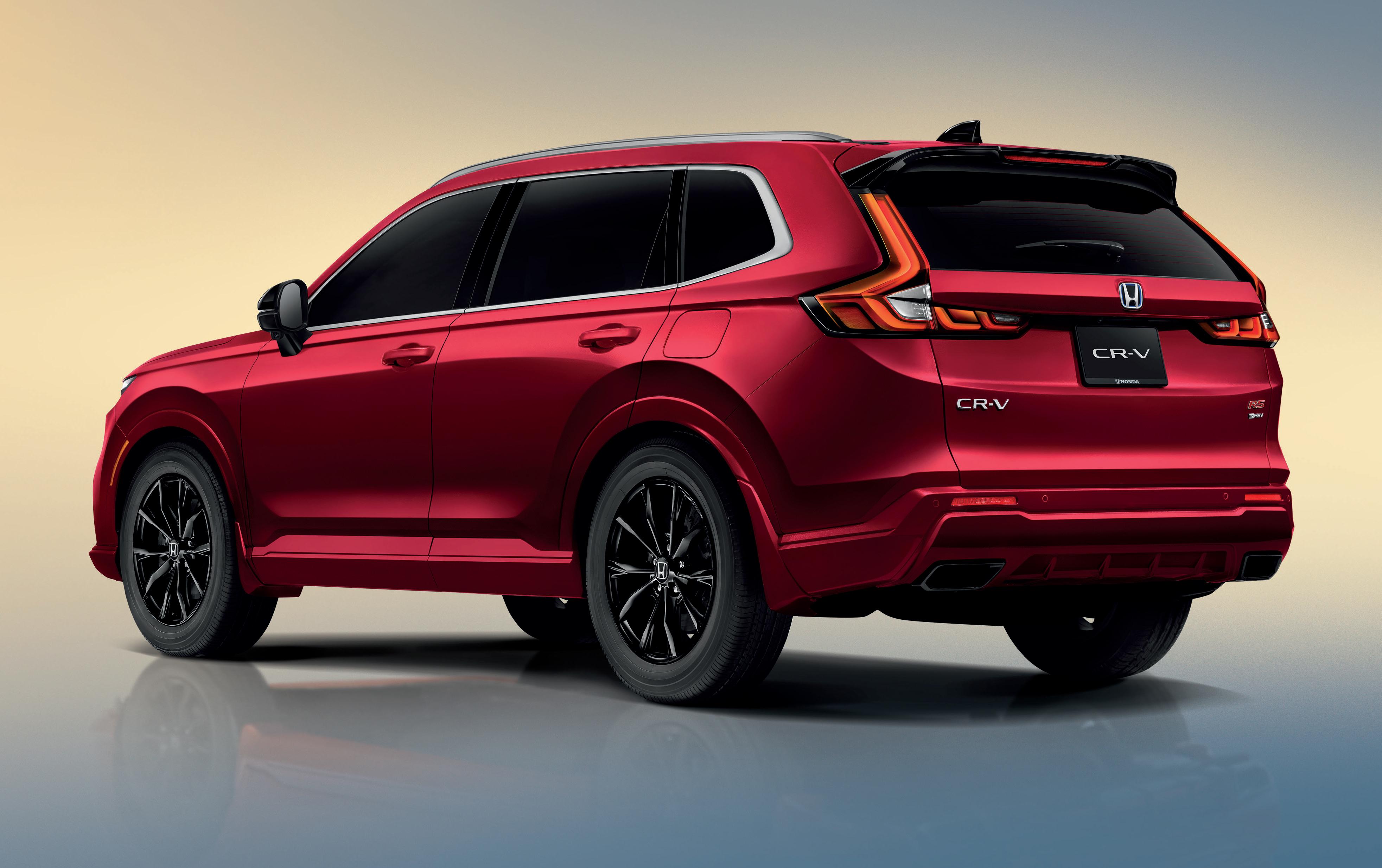
Real-World Fuel Economy Data
Real-world fuel economy data often provides a more comprehensive view than standard EPA ratings. According to data collected from 8,571 Honda CR-Vs covering over 212.2 million miles, the 2025 Honda CR-V exhibits a combined average MPG of 33.41. This data was contributed by 210 vehicles and 4,464 fuel-ups, highlighting the reliability and durability of the CR-V’s fuel efficiency over extensive use.
Interestingly, a 2021 Honda CR-V Hybrid with over 205,000 miles still delivers better fuel economy than advertised, emphasizing the longevity and consistent performance of Honda’s hybrid technology. Such real-world statistics underscore the potential for Honda CR-V owners to achieve and even surpass expected fuel economy figures, provided they maintain their vehicles and adopt efficient driving practices.
Current Trends in CR-V Fuel Economy
There is a noticeable improvement in MPG ratings for the CR-V over the years. Hybrid variants are becoming increasingly popular due to their city driving efficiency, which often surpasses that of traditional gasoline engines. However, it’s important to note that real-world fuel economy can differ from EPA ratings, particularly in hybrid models. These discrepancies are often due to varying driving conditions and habits.
While hybrid models excel in city environments, they may experience reduced efficiency on highways and in cold weather. As more consumers prioritize sustainability and cost-effectiveness, the CR-V’s evolving fuel economy and technological advancements continue to meet these demands, solidifying its reputation in the compact SUV market.

Tips for Maximizing Fuel Efficiency in Your Honda CR-V
Enhancing fuel efficiency in your Honda CR-V is not just about careful driving; it also involves being mindful of maintenance and habits. To get the best mileage possible, consider the following strategies:
- Regular Maintenance: Stay on top of your car’s routine service schedules. A well-tuned engine consumes less fuel.
- Tire Pressure: Check your tire pressure monthly. Under-inflated tires can reduce fuel efficiency by as much as 3% for every 1 psi drop.
- Lighten Your Load: Remove unnecessary heavy items from your trunk. Every 100 pounds can decrease fuel economy by 1-2%.
In addition to maintenance, your driving habits significantly impact fuel consumption. Adopting more economical driving techniques can yield impressive results:
- Avoid Rapid Acceleration: Smooth starts and gentle acceleration can greatly improve gas mileage.
- Use Cruise Control: When driving on the highway, using cruise control can help maintain a constant speed, saving fuel.
- Minimize Idling: If you’re stopped for more than a minute, it’s more fuel-efficient to turn off the engine.
Comparing the Honda CR-V’s Fuel Economy to Competitors in the Same Segment
The Honda CR-V has long been a frontrunner in the compact SUV segment, especially when it comes to fuel economy. When comparing its performance to competitors, it’s crucial to look at the figures that define efficiency. The CR-V offers an impressive combination of city and highway mileage, making it an attractive option for both daily commuters and family road trips. Notable competitors in this segment include the Toyota RAV4, Ford Escape, and Nissan Rogue. Here’s how they stack up in fuel efficiency:
| Vehicle | City MPG | Highway MPG | Combined MPG |
|---|---|---|---|
| Honda CR-V | 28 | 34 | 30 |
| Toyota RAV4 | 27 | 35 | 30 |
| Ford Escape | 23 | 31 | 26 |
| Nissan Rogue | 26 | 33 | 29 |
While the Honda CR-V holds its own with a competitive combined MPG of 30, the RAV4 also matches this figure, highlighting the effectiveness of both brands in delivering efficient vehicles. However, the Ford Escape and Nissan Rogue lag slightly behind, with the Escape delivering a combined MPG of just 26. This discrepancy emphasizes the importance of both manufacturers’ engineering efforts to enhance fuel output without sacrificing performance. Additionally, potential buyers should not only consider raw fuel economy numbers but also factors like driving experience, comfort, and overall reliability, which the CR-V consistently excels in.
The Conclusion
The Honda CR-V stands as a testament to the perfect blend of efficiency and practicality in the modern SUV landscape. With its impressive fuel economy figures, it not only champions the cause of sustainability but also meets the needs of drivers who desire both performance and cost-effectiveness. Whether you’re navigating busy city streets or venturing out on a weekend road trip, the CR-V’s thoughtful engineering and design offer a confident companion on every journey. As you consider your options in the competitive arena of compact SUVs, the Honda CR-V’s fuel efficiency remains a compelling argument, encouraging drivers to embrace a greener, more economical future without compromising on comfort or capability. As the roads ahead beckon, the CR-V reaffirms that smart choices can lead to rewarding journeys.