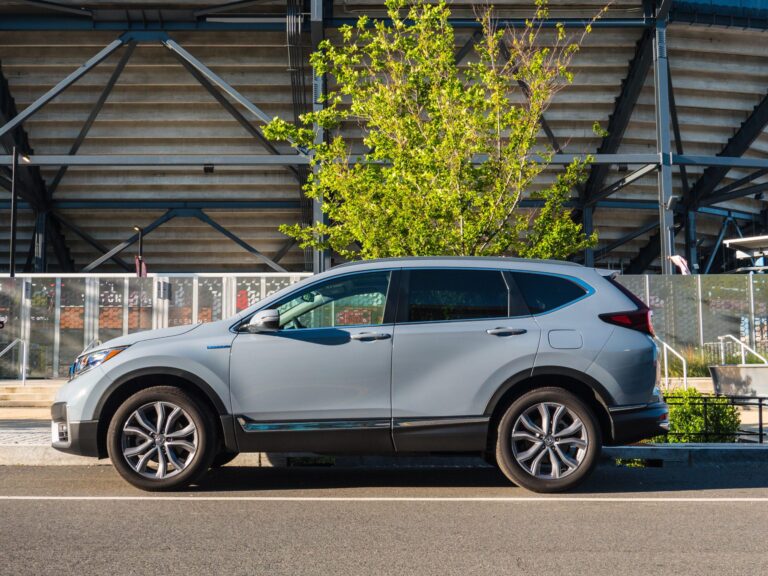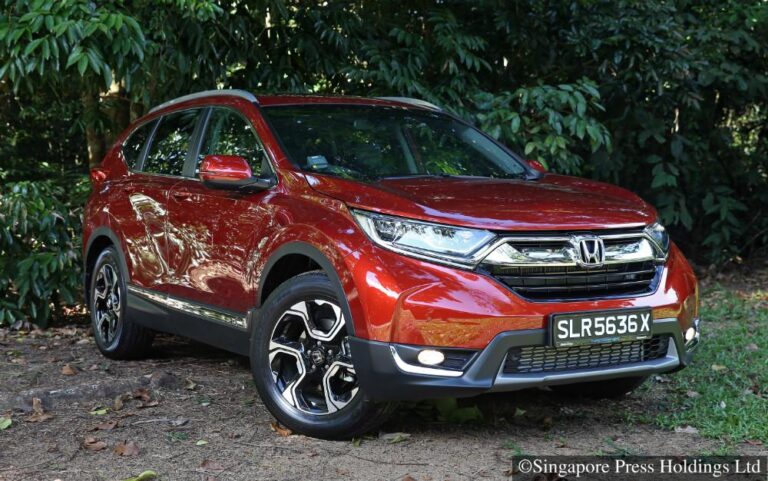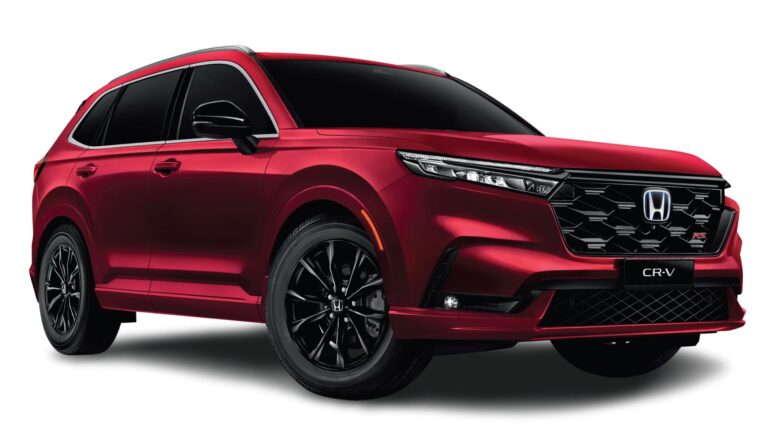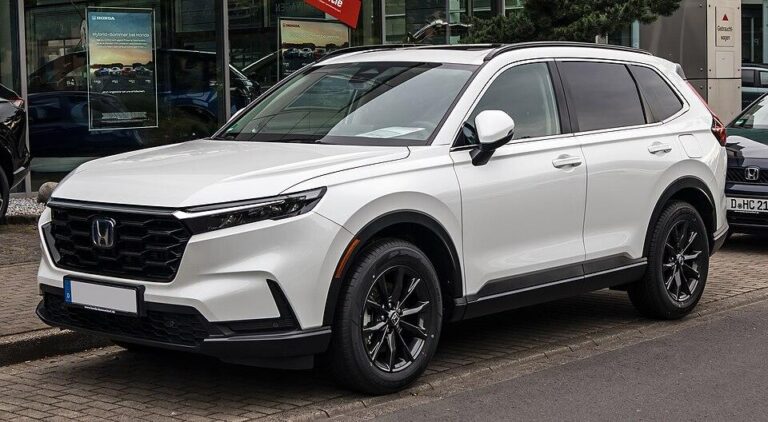

Honda CR-V electric version
As the automotive industry undergoes a transformative shift towards sustainability and innovation, Honda introduces a groundbreaking development: the Honda CR-V electric version. Known for its legacy of reliability and versatility, the CR-V has been a staple for drivers seeking a harmonious blend of performance and practicality. As the world gravitates increasingly towards eco-friendly alternatives, Honda is set to redefine this iconic model for the electric era. In this article, we explore the features, advancements, and potential impact of the Honda CR-V electric version, examining how it seeks to merge the essence of a trusted SUV with state-of-the-art electric mobility technology. Join us as we unveil the exciting potential this new chapter in Honda’s narrative holds for the future of driving.

Exploring the Electric Evolution: What to Expect from the Honda CR-V Electric Version
The Honda CR-V is embarking on a new journey with its electric iteration, designed to integrate the beloved characteristics of the classic model with cutting-edge advancements. Notably, the Honda CR-V electric version introduces the e:FCEV, a pioneering model that combines hydrogen fuel cell technology with plug-in charging capability. This innovative approach is available exclusively in California due to the current limitations in hydrogen infrastructure. Drivers can anticipate a seamless blend of eco-friendly motoring and the spaciousness that has become synonymous with the CR-V lineup. The emphasis will be on a user-friendly interface for the entertainment system, focusing on connectivity and smart features that appeal to tech-savvy consumers.
Additionally, the electric CR-V will prioritize safety and comfort, leveraging Honda’s advanced engineering to offer innovative driver-assistance technologies that enhance the overall driving experience. Key highlights may include:
- Regenerative braking for efficient battery recharge.
- A spacious interior with sustainably sourced materials.
- Multiple driving modes tailored to individual preferences.
As anticipation builds for its release, industry experts suggest that the electric CR-V will effectively challenge competitors by marrying Honda’s renowned reliability with environmental responsibility, thereby setting new standards in the SUV market.
Innovative Features Powering the Honda CR-V Electric Experience
- Instant Torque Delivery: Enjoy swift acceleration and a smooth driving experience with immediate power at your disposal.
- Regenerative Braking: Capture energy during braking to extend range and improve efficiency.
- Adaptive Cruise Control: Employ cutting-edge sensors to maintain a safe distance from other vehicles, promoting a relaxed driving experience.
Beyond performance, the CR-V Electric features a sleek and functional design aimed at maximizing user comfort and engagement. Inside, the cabin boasts a state-of-the-art infotainment system with intuitive controls and connectivity options. Key interior features include:
- Spacious Cabin: An open and airy feel designed for comfort during long journeys.
- Eco-Friendly Materials: Sustainable upholstery options that minimize environmental impact without sacrificing style.
- Smart Climate Control: Automated temperature adjustments that utilize energy efficiently, enhancing overall comfort.

Understanding Range and Charging: Making the Most of Your CR-V Electric
Maximizing your electric CR-V’s range is crucial for an optimal driving experience. With a fully charged battery, the Honda CR-V e:FCEV offers a 29-mile electric range on battery power alone, allowing you to travel further while reducing your carbon footprint. Factors influencing range include driving habits, terrain, and climate conditions. To enhance efficiency:
- Maintain a steady speed on highways.
- Utilize regenerative braking to recapture energy.
- Avoid rapid acceleration and deceleration.
- Optimize the use of climate controls, as heating and cooling can impact battery life.
Equally important is understanding how to charge your battery effectively. The CR-V offers several charging options for your convenience, ensuring you can power up wherever you are. Charging stations are available at various locations, but knowing the types of chargers will help you plan your stops wisely:
| Charger Type | Charging Speed | Best Use Case |
|---|---|---|
| Level 1 (120V) | 4-5 miles per hour | Home charging overnight |
| Level 2 (240V) | 20-25 miles per hour | Public chargers or at home for faster charging |
| DC Fast Charging | 100+ miles in 30 minutes | On-the-go charging during long trips |
By familiarizing yourself with these charging options and best practices, you can ensure your electric CR-V remains at peak performance, ready for every adventure you embark on.

Current Trends and the Future of the Honda CR-V Electric
The automotive industry is witnessing a significant transition towards electrification, with a growing emphasis on developing hydrogen infrastructure to support fuel cell vehicles. The Honda CR-V e:FCEV is at the forefront of this movement, combining plug-in and hydrogen fuel cell technologies to offer a unique and eco-friendly driving experience. The vehicle’s availability is currently limited to California, reflecting the ongoing efforts to expand hydrogen refueling stations across the United States.
Current trends indicate an increasing interest in vehicles that blend plug-in and hydrogen fuel cell technologies, providing flexibility and reducing reliance on traditional fossil fuels. The CR-V e:FCEV embodies this trend by offering an innovative approach to eco-conscious driving. Its dual approach not only reduces emissions but also sets a precedent for future developments in the automotive industry.
A Comparison with Competitors: How the Honda CR-V Electric Stands Out
The Honda CR-V Electric distinguishes itself in a crowded market of electric SUVs, not just through its performance but also in its innovative features. Compared to competitors such as the Nissan Leaf and Ford Mustang Mach-E, the CR-V Electric offers a spacious interior and a generous cargo capacity, making it an ideal choice for families and adventure seekers alike. Additionally, Honda’s commitment to quality and reliability ensures that drivers have peace of mind when choosing this electric vehicle.
Price-wise, the CR-V Electric holds its ground, offering strong value for the features it incorporates. Honda’s advanced safety technologies, included as standard, set it apart from rivals that often charge extra for similar systems. When evaluating the real-world range and efficiency, the CR-V Electric also impresses, delivering a well-rounded experience that remains competitive. The following table highlights some key specifications compared to its closest competitors:
| Model | Range (miles) | Starting price ($) | Cargo Space (cu.ft.) |
|---|---|---|---|
| Honda CR-V Electric | 250 | 35,000 | 76.5 |
| Nissan Leaf | 150 | 27,400 | 30 |
| Ford Mustang Mach-E | 300 | 43,895 | 29.7 |
Conclusion
As we stand on the brink of a new era in automotive innovation, the electric version of the Honda CR-V represents not just a vehicle but a pivotal step toward a more sustainable future. With its blend of practicality, advanced technology, and eco-conscious engineering, this electric SUV promises to cater to the evolving needs of drivers while minimizing environmental impact. As Honda continues to redefine its legacy in the electric landscape, enthusiasts and everyday drivers alike can look forward to experiencing the harmony of efficiency and performance that the CR-V electric version has to offer. In this journey toward electrification, one thing is clear: the road ahead is not only charged with excitement but also illuminated by the promise of a greener tomorrow.