
Highway Cruising Performance & Long-Trip Comfort
When it comes to hitting the open road, the quintessential American dream of a long, leisurely highway cruise beckons with promises of adventure adn exploration. Yet, as anyone who has ever spent hours behind the wheel can attest, the journey is just as crucial as the destination. In this article,we delve into the delicate balance between highway cruising performance and long-trip comfort—two essential elements that can transform a simple drive into a memorable experience. we’ll explore what makes a vehicle not only capable of gliding smoothly along endless stretches of asphalt but also one that cradles its passengers in comfort, even during the longest of hauls. From the nuances of engine power and fuel efficiency to the ergonomic designs of seating and cabin features, join us as we unpack the key factors that contribute to a satisfying road trip. Whether you’re planning a family vacation or a solo getaway,understanding these elements can help elevate your driving experience,making each mile more enjoyable then the last.
Highway Efficiency and Power Delivery
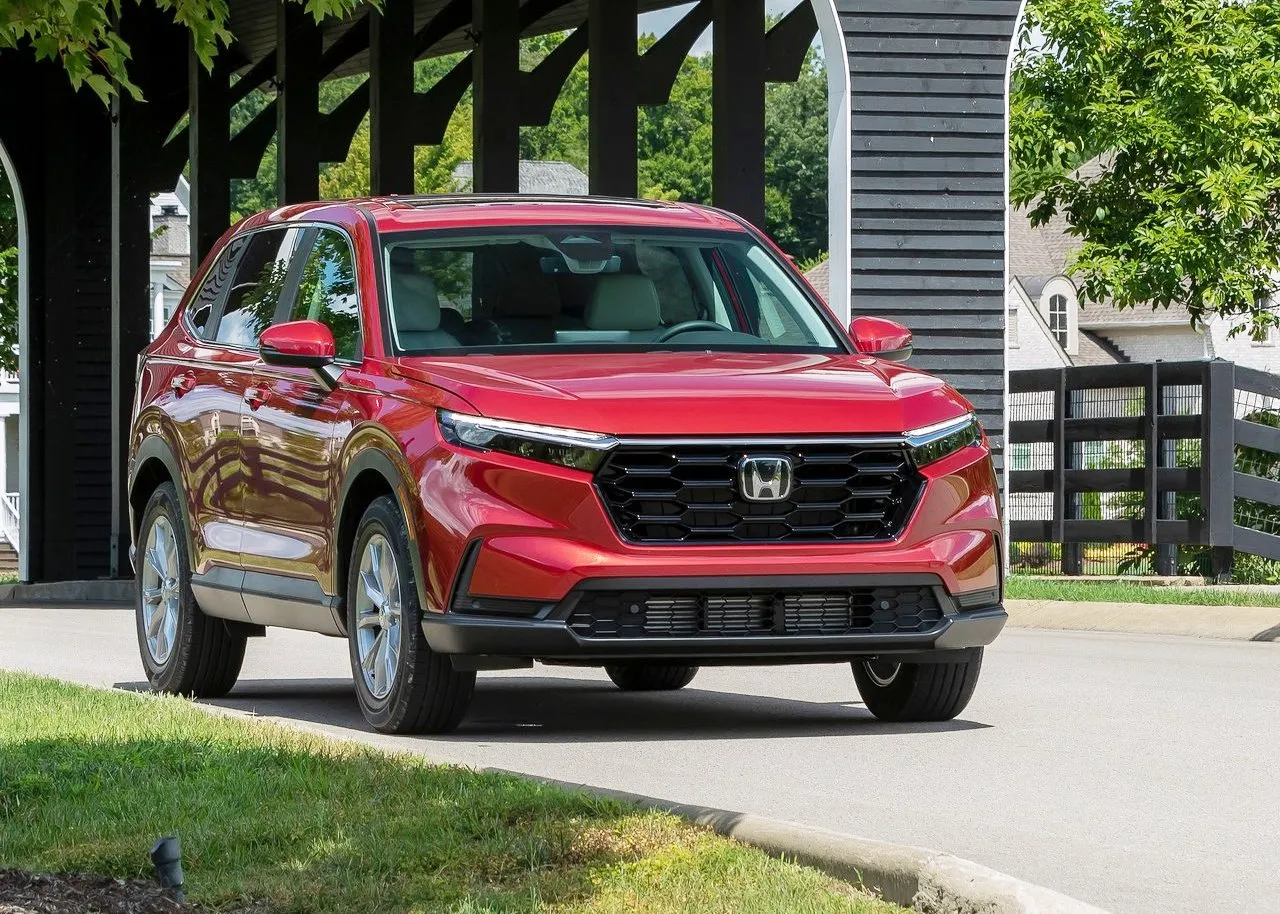
In the pursuit of seamless highway cruising, efficiency and power delivery emerge as pivotal elements that define the driving experience. Vehicles designed for long-distance travel typically feature advanced engineering that optimizes fuel consumption while ensuring robust performance. Key factors contributing to highway efficiency include:
- Aerodynamic design: Sleek contours reduce drag, enhancing fuel economy.
- Engine technology: Turbocharged engines deliver power efficiently, maximizing output without excessive fuel usage.
- Transmission systems: Continuously variable and dual-clutch transmissions provide smooth acceleration while maintaining optimal power delivery.
Moreover, the power delivery mechanism significantly influences long-trip comfort. By smoothly managing torque and power distribution, modern vehicles facilitate a more relaxed driving experience. Essential aspects that promote this include:
- Adaptive cruise control: Helps maintain a steady speed, reducing driver fatigue on long stretches.
- Suspension technology: Advanced systems absorb road imperfections, providing a comfortable ride.
- Tire performance: The choice of tires influences both grip and fuel efficiency,further enhancing highway capabilities.

Navigating Comfort: seating and Interior Design
- Cup holders positioned for easy reach
- door pockets for snacks and small items
- Under-seat storage for valuable space-saving
- USB charging ports for device connectivity
This dual focus on seating ergonomics and practical interior design keeps everyone engaged and comfortable, allowing for a smoother ride and a more enjoyable highway experience.
Road Noise and Aerodynamics: Creating a Serene Journey
When embarking on long highway journeys, the relationship between road noise and aerodynamics becomes pivotal in crafting a serene driving experience. Enhanced aerodynamics help minimize wind resistance, contributing to a smoother ride.This reduction in drag not only improves fuel efficiency but also plays a significant role in diminishing external sounds. Consider the following factors that affect road noise and aerodynamics in vehicles:
- Body Shape: Sleek, contoured designs reduce wind turbulence.
- Tire Design: Low-rolling-resistance tires help to keep road noise to a minimum.
- Soundproofing Materials: modern vehicles employ insulation techniques that absorb sound vibrations.
- Underbody Shields: These elements streamline airflow, further stabilizing and quieting the ride.
The significance of these features transcends mere aesthetics; they directly influence the comfort of the passengers. A well-engineered vehicle can effectively shield its occupants from the jarring sounds of tires on asphalt while navigating gusty winds.Here’s a brief overview of the noise levels related to various vehicle types:
| Vehicle Type | Average Noise Level (dB) |
|---|---|
| Luxury Sedan | 60–70 |
| SUV | 65–75 |
| Compact Car | 55–65 |
| Truck | 70–80 |
Fuel Economy and Trip Planning for Long-Distance Drives
Planning a long-distance drive requires more than just a destination; it necessitates careful consideration of fuel economy to maximize efficiency and minimize costs. Before hitting the open road, familiarize yourself with your vehicle’s mileage ratings, and consider factors that can impact performance, such as speed limits, road conditions, and driving habits. Here are some essential tips for optimizing fuel use:
- Maintain a steady speed: Use cruise control when possible to avoid sudden accelerations that can drain fuel.
- Check tire pressure: Properly inflated tires reduce rolling resistance and improve gas mileage.
- Avoid excessive idling: Turn off your engine during long stops to save fuel.
- Plan your route: Choose the most efficient path to reduce overall driving time and distance.
using a combination of technology and traditional methods can significantly enhance your trip planning. Map out fuel stations along your route to ensure you can refuel when necessary, and don’t forget to factor in rest stops for breaks and meals to maintain driver alertness. Below is a simple table to help you visualize a sample refueling and rest break strategy:
| Location | Distance (miles) | Fuel Stop | Rest Stop |
|---|---|---|---|
| Start | 0 | — | — |
| First Stop | 150 | ✔ | ✔ |
| Second Stop | 300 | ✔ | — |
| Final Destination | 450 | — | ✔ |
With a thoughtful approach to fuel economy and trip planning,you’ll not only enjoy a more economical drive but also arrive at your destination feeling refreshed and ready to explore.by prioritizing these elements, you’re setting the stage for a positive long-distance driving experience that keeps both your wallet and mind at ease.
Key Takeaways
the pursuit of highway cruising performance and long-trip comfort is a journey unto itself—a delicate balance of engineering and design where every detail counts. As we navigate the open road, it becomes clear that a vehicle’s true performance is not only measured by its speed or agility but also by the ease and enjoyment it offers during those endless stretches of asphalt. Whether you are a weekend adventurer seeking the thrill of open highways or a seasoned traveler embarking on cross-country escapades, the ideal blend of comfort and performance ensures that every mile traveled is a memorable one. As technology continues to evolve, we can anticipate even more innovations designed to enhance our driving experience, reminding us that the road ahead holds limitless possibilities. So buckle up, enjoy the ride, and let each journey be a testament to the harmony of speed and comfort that modern engineering can provide. Safe travels!